Short-term storage options near Marks Gate explained
Posted on 10/06/2026
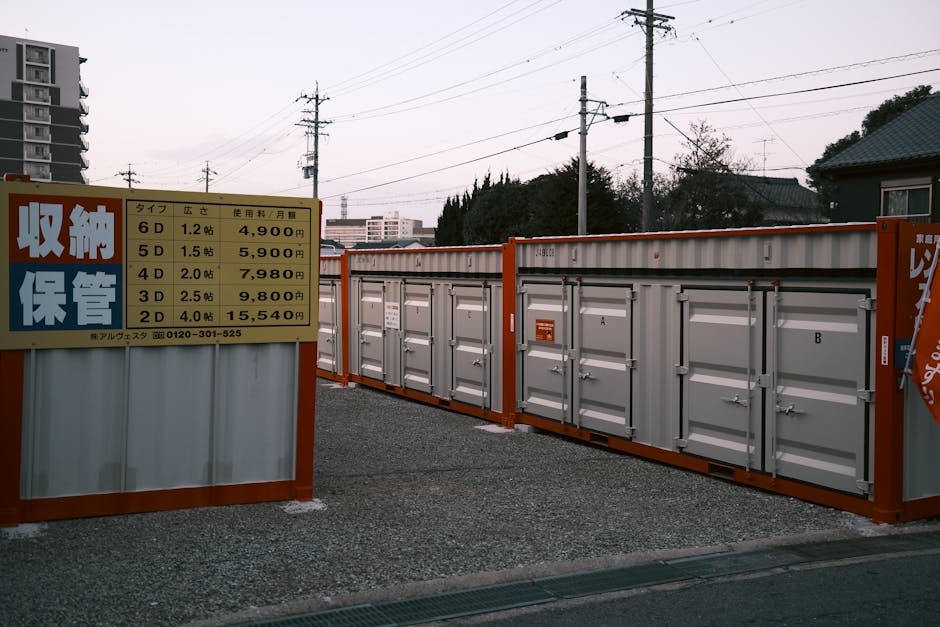
If you are between homes, clearing space for a renovation, or simply trying to keep life moving without boxes everywhere, short-term storage can feel like a very sensible pause button. In Marks Gate, that pause is often the difference between a rushed move and one that feels under control. This guide to Short-term storage options near Marks Gate explained walks you through what short-term storage actually is, how it works, who it helps most, and how to choose a setup that protects your belongings without making the process any more stressful than it needs to be.
Let's face it, nobody wakes up excited to rent storage. But once you need it, you really need it. Maybe your keys are delayed, maybe you are downsizing, or maybe you just want the hallway back for a week. Whatever the reason, a smart storage choice can save time, reduce clutter, and make the whole moving process feel a lot less messy.
Why Short-term storage options near Marks Gate explained Matters
Short-term storage matters because most life transitions do not line up neatly. One tenancy ends before the next begins. A sale completes, then drifts. A flat needs decorating, but the furniture has nowhere sensible to sit. In those moments, storage is not just a box-ticking extra; it becomes part of the moving strategy.
For people in and around Marks Gate, this is especially useful where access can be tight, parking can be awkward, or a move is split across more than one day. A short-term storage plan gives you a buffer. That buffer can be used to declutter, stage a home for viewings, protect delicate items, or avoid cramming everything into a spare room and hoping for the best. The hope-and-pray method, to be fair, rarely ends well.
There is also a practical money angle. When a move gets delayed, repeated van trips, rushed packing, and last-minute storage all tend to cost more than a calm, planned approach. If your move involves awkward furniture or fragile pieces, it may be worth reading about strategic decluttering before the move and stress-free packing strategies first, because storing less is usually cheaper and easier than storing more.
In simple terms, short-term storage gives you breathing space. And during a move, breathing space is underrated.
How Short-term storage options near Marks Gate explained Works
Short-term storage usually means renting a secure unit or container for a limited period, often from a few days to a few months. The exact setup varies, but the basic idea is the same: you move your belongings into a space, keep them there temporarily, and collect them once your home, office, or schedule is ready.
In practice, the process tends to follow a few familiar steps:
- Choose the storage type. Decide whether you need self-storage, van-assisted storage, or a removal-led solution where items are collected and later returned.
- Estimate how much space you need. That means thinking in terms of box count, furniture size, and whether you are storing bulky items like beds, wardrobes, or white goods.
- Prepare your items. Clean, wrap, label, and pack with storage in mind rather than just move-day speed.
- Arrange transport. You may handle this yourself or use a local team if the items are heavy, awkward, or time-sensitive.
- Store and review. Keep a clear record of what is inside, what condition it was in, and when you expect to collect it.
That last part matters more than people expect. A storage unit can quickly become a black hole if you do not label things properly. Three weeks later, you are standing there asking yourself whether the kettle is in box 4, box 14, or somehow under the lamp.
Short-term storage can also be paired with removal support. For example, if you need help moving bulky items into storage or out again, it can be useful to look at local removals support or a man with a van in Marks Gate for a more flexible collection-and-delivery approach.
Key Benefits and Practical Advantages
The most obvious benefit is space, but that is only the beginning. Good short-term storage makes the whole moving process feel more orderly. You stop trying to force every object into one exact day, and that alone can calm things down.
- Flexible timing: ideal when completion dates, handovers, or decorating work do not line up.
- Reduced stress: fewer piles in the hallway, fewer last-minute decisions, fewer clashes over space.
- Better protection: items can be packed properly instead of being squeezed into the wrong room.
- Cleaner move-out: if you are handing back a tenancy or preparing a sale, storage can help you empty the property more efficiently. Pair that with move-out cleaning efficiency advice for a tidy end to the old place.
- Safer handling: heavy lifting can be reduced, which is a big deal for backs, stairwells, and tight corridors.
- Better decision-making: if you are unsure what to keep, short-term storage gives you time to think before committing.
There is another advantage that often gets overlooked: storage can protect relationships. That sounds dramatic, but it is true. If your partner is already fed up with boxes in the bedroom, or your housemate is trying to work from the dining table, moving some items offsite can restore a bit of peace at home. Small thing, big relief.
For larger or specialist items, storage also gives you time to prepare them properly. If you are worried about furniture condition, it can be worth reading practical sofa storage guidance and, for delicate pieces, best practices for moving beds and mattresses. The same principle applies: the better you prep, the less likely you are to get surprises later.
Who This Is For and When It Makes Sense
Short-term storage is not just for people in the middle of a house move. It suits a wider range of everyday situations than you might think.
Home movers
If your new place is not ready yet, or you need time between leaving one home and entering another, storage bridges the gap neatly. This is one of the most common reasons people in Marks Gate use it.
Flat and apartment residents
Smaller homes can feel instantly full, especially when a sofa, bed, dining table, and a few boxes arrive all at once. Short-term storage can help you phase items back in gradually. If you are moving through stairs, narrow access, or tight landings, you may also find the advice on narrow-access homes useful.
Students
Students often need storage between term dates, at the end of a tenancy, or during travel. The key is usually convenience and cost control rather than long-term holding. A compact, short rental window often fits best. You can also explore student removals in Marks Gate if you want the move and storage side handled together.
Businesses and home workers
If you are clearing an office, reconfiguring a workroom, or waiting for furniture to be delivered, temporary storage can keep operations going without turning every room into a staging area. For offices in particular, this helps when desks, filing cabinets, or IT equipment need a safe waiting point.
Families decluttering under pressure
Sometimes the issue is not moving at all. It is just life. A new baby, an elderly parent moving in, or a room repurposed into a workspace can create a sudden storage headache. Short-term storage buys you time to sort through it properly instead of making hurried choices that you later regret.
And yes, it is okay if your reason is simply "the house is full and I cannot think straight." That counts.
Step-by-Step Guidance
Here is a straightforward way to handle short-term storage without making it overcomplicated.
- List what needs storing. Walk through each room and separate essentials from non-essentials. Be honest. If you have not used it in two years, ask why it is still taking up space.
- Group items by risk. Fragile, heavy, valuable, and weather-sensitive items should be planned differently.
- Measure the bulkier pieces. Doors, beds, wardrobes, and sofas can be awkward at the collection stage and even more awkward when you are trying to load a storage unit efficiently.
- Decide on access frequency. If you need regular access, choose a setup that does not require a full expedition every time you want a box.
- Pack for storage, not just for transport. Strong boxes, protective wrapping, and clear labels make a huge difference.
- Take photos of valuable items. A basic visual record helps you keep track of condition before and after storage.
- Store heavier items at the bottom. This prevents crushing and keeps the load stable.
- Leave an aisle if possible. In a unit or container, a narrow walkway can save a lot of time later.
- Keep essentials separate. Documents, chargers, keys, medication, and everyday household items should not disappear into storage by mistake.
If you are dealing with large furniture, be careful about how you lift. A quick read of safe solo lifting strategy and the mechanics of safer lifting can be genuinely useful before you start shifting heavy loads. No heroics, please. Your back will not thank you.
One more practical point: if your items need to be moved in and out of storage around a tight schedule, consider a wider moving plan that includes man and van support or broader removal services in Marks Gate. The less you have to coordinate in a panic, the better.
Expert Tips for Better Results
These are the small details that often make the biggest difference.
- Use uniform box sizes where you can. They stack better and reduce wasted space.
- Wrap before you pack. Don't wait until items are already in the unit. A bit of prep upfront saves hassle later.
- Label with room and priority. For example: "Kitchen - keep accessible" is much better than "misc".
- Place frequently needed items at the front. If you need them within a week, do not bury them at the back under three chairs and a lamp.
- Avoid overfilling boxes. Heavy overpacked boxes split easily and are awkward to stack.
- Disassemble large furniture when practical. It usually stores better and reduces damage risk.
- Allow airflow around soft furnishings. Fabrics do better when they are clean, dry, and not packed damp.
One quiet truth about storage: the best unit is the one that still feels organised two weeks later. If you can open the space, find what you need, and close it again without muttering under your breath, you've probably done it right.
For people planning a move around local roads, access points, or busier stretches of the area, it can help to read Marks Gate access tips before booking transport. A slightly better route plan can save a surprisingly annoying amount of time.

Common Mistakes to Avoid
Short-term storage looks simple until it isn't. These are the mistakes people most often make.
- Packing damp or dirty items. Even short periods of storage can create smells, staining, or mildew if items are not dry and clean first.
- Using weak boxes. Flimsy packaging collapses far too easily, especially when stacked.
- Forgetting labels. That leads to repeated unpacking and unnecessary lifting.
- Mixing essentials with non-essentials. You should not need to open six boxes to find a charger.
- Ignoring access needs. If you will want regular access, arrange the unit so that key items are reachable.
- Underestimating volume. Storage that feels "probably enough" can turn into a game of furniture Tetris in seconds.
- Leaving everything to the last minute. That is when accidents happen, and move day becomes noisy, sweaty, and weirdly emotional.
There is also a hidden mistake: storing too much simply because you can. Short-term storage is not a substitute for decision-making. Sometimes, a better plan is to keep what matters, store what genuinely needs time, and recycle or pass on the rest. If that sounds useful, a recycling and sustainability approach can help you think a bit more cleanly about what stays and what goes.
Tools, Resources and Recommendations
You do not need a lot of equipment, but the right basics make everything smoother.
- Strong boxes: choose sturdy cartons for books, kitchenware, and mixed household goods.
- Wardrobe cartons or garment covers: useful for clothes that should not be folded flat.
- Bubble wrap and paper padding: for fragile items, picture frames, and glass.
- Stretch wrap or blankets: useful for furniture edges and soft protection.
- Labels and marker pens: simple, but essential.
- Photos on your phone: ideal for inventory and condition tracking.
- Gloves and proper footwear: a basic safety layer that gets ignored more often than it should.
If you are sorting boxes at the same time as relocating, it can also help to use packing and boxes support in Marks Gate so you are not scrambling around for materials at the last minute.
For comparison and planning, it is often useful to think about storage as part of a wider moving toolkit. Some people only need a temporary room-clearing solution. Others benefit from a more complete move-and-store package. If you are trying to keep everything coordinated, the wider removals service overview can help you understand how moving support and storage fit together.
Law, Compliance, Standards and Best Practice
Short-term storage is mostly a practical service, but a few standards and responsibilities matter in the background. You do not need to be a compliance expert, thankfully, but it does help to know what sensible practice looks like.
Safety first: handling heavy furniture, awkward appliances, and stacked boxes should be done with care. Good manual handling habits matter, especially if stairs, narrow hallways, or uneven outdoor access are involved. If a job feels too heavy or too awkward, it usually is. That is not weakness; that is common sense.
Insurance and condition tracking: for valuable or fragile items, make sure you understand what is covered, what is not, and how items should be recorded before storage. Taking photos and keeping a simple inventory is good practice even when nothing special is involved.
Dry, clean, and safe storage: UK best practice is simple here: store items in a way that minimises mould, pest risk, crushing, and accidental damage. That usually means clean goods, proper wrapping, sensible stacking, and clear access.
Consumer clarity: before agreeing to any storage arrangement, check the basics carefully: how long the storage period is, how access works, what happens if dates change, and how billing is handled. Those details matter more than glossy marketing words. Always.
Where moving and storage are combined, it can also be sensible to review practical policies around insurance and safety and health and safety. Even if you are only storing items briefly, the same good habits apply.
Options, Methods and Comparison Table
Different storage approaches suit different needs. Here is a simple comparison to help you choose without overthinking it.
| Storage option | Best for | Advantages | Watch-outs |
|---|---|---|---|
| Self-storage unit | People who want direct access and full control | Flexible, familiar, easy to check items | Requires you to transport and organise everything yourself |
| Removal-led short-term storage | Moves with furniture, boxes, and time pressure | Less handling, less stress, often more convenient | Needs coordination around collection and redelivery |
| Container-style storage | Bulkier households or temporary move gaps | Good for larger volumes, straightforward packing | Less ideal if you need regular access |
| Room-by-room home storage | Very short gaps or a small amount of overflow | Cheap and immediate | Can quickly become cluttered and stressful |
For many Marks Gate residents, the best answer is not a single storage type but a combination. For example, a small self-storage unit for essentials plus a removal service for heavier items can be a neat compromise. If you are moving across different property types, the pages on flat removals and house removals in Marks Gate are useful companions to this decision.
Case Study or Real-World Example
Here is a realistic example. A couple in Marks Gate had sold their flat, but the new place was not ready for another ten days. They had a sofa, bed frame, mattress, two wardrobes, kitchen boxes, and a few fragile pieces they did not want squeezed into a relative's spare room. Instead of stacking everything in the hallway and hoping for the best, they split the job into two parts.
First, they packed the fragile and everyday essentials separately, using clear labels and a small "open first" box. Then they moved the bulkier furniture into short-term storage for a short window. That gave them breathing room to clean the flat thoroughly, handle the handover without rushing, and bring items into the new home in stages.
The result was less chaos, fewer last-minute decisions, and no damage from overpacked boxes or careless lifting. Not glamorous, but very effective. And honestly, that is usually what good storage looks like: boring in the best possible way.
They also avoided the common trap of storing everything without a plan. Instead, they kept essentials with them and only stored the items that genuinely needed the gap. That made unpacking far less painful, which is worth a lot after a move when everyone is a bit tired and a bit short on patience.

Practical Checklist
Use this checklist before you put anything into short-term storage.
- Have I sorted items into keep, store, donate, recycle, or discard?
- Are all stored items clean and fully dry?
- Have I used strong boxes and proper wrapping?
- Are heavy items packed low and safely?
- Have I labelled every box clearly?
- Do I know which items I will need first?
- Have I separated documents, keys, chargers, and other essentials?
- Have I taken photos of valuable items?
- Do I understand access arrangements and timing?
- Have I planned transport for both collection and return?
Expert summary: The best short-term storage choices are the ones that reduce handling, protect your items properly, and fit the timing of your move rather than fighting it. Keep the plan simple, label well, and do not leave the sorting until the evening before. That is where the headaches begin.
Conclusion
Short-term storage is one of those services that makes sense the moment life stops following a neat schedule. Near Marks Gate, it can help with moving delays, temporary overspill, renovations, student transitions, business changes, or simply the need to get your home back under control. The main thing is to treat storage as part of the plan, not a last-minute rescue.
When you pack carefully, choose the right access level, and keep your essentials separate, storage becomes a useful buffer rather than another source of clutter. And if you combine it with sensible moving help, you can take a lot of pressure off the day itself. That matters more than people sometimes admit.
Get a free quote today and see how much you can save.
If you are still deciding how to handle the move itself, you may also find moving house calmly useful, especially if the whole thing has started to feel a bit louder and busier than expected. A steady plan goes a long way. Really, it does.