Moving bulky items in Marks Gate flats with narrow lifts
Posted on 02/06/2026
Moving bulky items in Marks Gate flats with narrow lifts: a practical local guide
Trying to move a sofa, wardrobe, fridge, or mattress through a Marks Gate flat with a narrow lift can feel like a puzzle nobody asked for. One wrong turn, one awkward angle, and suddenly the whole hallway seems smaller than it did five minutes ago. That is exactly why Moving bulky items in Marks Gate flats with narrow lifts needs a proper plan, not just a couple of willing hands and a bit of hope.
In this guide, we will walk through the real-world challenges, the safest ways to handle oversized furniture, and the small decisions that make a move smoother. You will also find practical checklists, a comparison table, and links to useful local resources where they genuinely add value. Let's face it, flat moves in east London are rarely about brute strength alone. More often, they are about preparation, timing, and not getting too ambitious with the staircase at 8am on a wet Tuesday.
Why Moving bulky items in Marks Gate flats with narrow lifts Matters
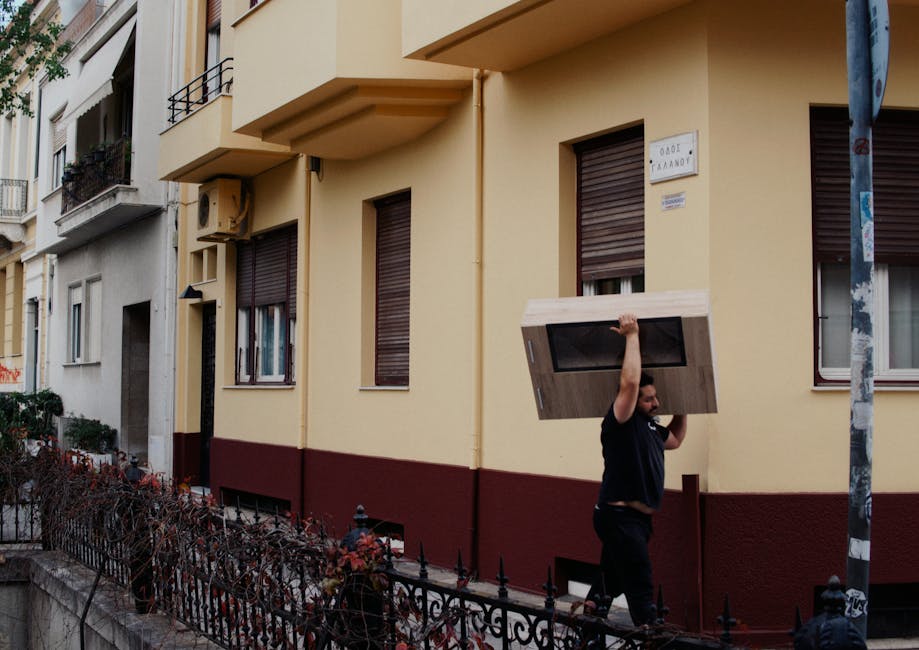
Marks Gate flats often sit within busy residential layouts, shared entrances, and lift access that was clearly designed with everyday shopping bags in mind, not a king-size bed base or a heavy corner sofa. When a lift is narrow, short, or awkwardly positioned, bulky-item moving becomes a planning job first and a lifting job second.
Why does that matter so much? Because a poor approach can lead to damaged walls, chipped skirting boards, bent furniture, strained backs, and delays that ripple through the whole moving day. The frustration is usually bigger than the object itself. One badly judged turn in a lift can stop progress completely.
It also matters for neighbours and building management. Shared hallways in flats need care, especially when access is tight and someone else may be trying to get through with prams, shopping, or a delivery. A calm, tidy move is simply easier on everyone. If you are already planning the wider move, a read through moving house calmly can help you keep the whole day in better shape.
In our experience, the people who handle this well are not necessarily the strongest. They are the ones who measure, remove obstacles, and think two steps ahead. Annoying? Maybe. Effective? Absolutely.
How Moving bulky items in Marks Gate flats with narrow lifts Works
The process is less about lifting straight up and more about managing angles, access points, and weight distribution. A bulky item rarely travels in a perfect line from flat to van. Instead, it may need to be rotated, tipped, protected, and sometimes partially dismantled to pass safely through a lift, corridor, or doorway.
Here is the basic logic:
- Measure first. Compare the item's widest points with the lift opening, car dimensions, and hallway bends.
- Strip it down where possible. Remove feet, doors, shelves, cushions, or headboards.
- Protect high-contact surfaces. Blankets, covers, and corner guards reduce scuffs.
- Plan the route. From room to lift to exit to van, every turn matters.
- Use the right team size. Some items need two people. Some need three. Trying to "just manage" is where trouble starts.
For very heavy or awkward items, safe handling matters more than speed. A useful companion guide is understanding the mechanics of kinetic lifting, which explains how body position and leverage affect control. If you are handling a particularly tricky piece on your own, the advice in solo lifting strategy for heavy items is worth reading before you decide to go it alone. Truth be told, solo lifting and narrow lifts do not always make a happy marriage.
The key point is this: bulky-item moves in flats are a sequence of micro-decisions. The more you reduce guesswork, the less drama you create.
Key Benefits and Practical Advantages
When bulky items are moved properly in a Marks Gate flat, the benefits are immediate and pretty noticeable.
- Less damage risk: Careful lifting and route planning reduce scrapes on lift panels, door frames, and furniture.
- Lower stress: A mapped-out move feels manageable instead of chaotic.
- Better time control: You spend less time reversing failed attempts in the corridor.
- Improved safety: Correct handling lowers the chance of strains and dropped items.
- Cleaner handover: A tidy exit makes life easier if you are also dealing with final cleaning or inspection.
There is also a practical financial benefit that people sometimes overlook. A move gone wrong can mean repair costs, replacement furniture, or extra labour time. Being organised often saves money without looking flashy at all. If you are comparing support options, the pages on furniture removals in Marks Gate and man with a van in Marks Gate can help you decide what level of support fits your situation.
Another small but real advantage: a smoother move leaves you with energy for the rest of the day. Packing, utilities, keys, bins, cleaning - all those tiny jobs feel easier when the heavy lifting has gone well. And that is not nothing.
Who This Is For and When It Makes Sense
This approach is for anyone moving out of, into, or around a flat with limited lift space in Marks Gate. That includes:
- tenants moving between flats
- students with large desks, beds, or storage units
- families moving bulky furniture into upper-floor apartments
- landlords or letting agents coordinating end-of-tenancy clearances
- people relocating oversized items between nearby addresses
It makes sense especially when one or more of the following applies:
- the lift is narrow or has a tight doorway
- stairs are available but not ideal for large items
- the item is valuable, fragile, or awkwardly shaped
- the move includes heavy furniture and limited time
- you have to avoid disrupting neighbours or building access
If you are a student or moving on a tighter schedule, the dedicated student removals Marks Gate page can also be helpful. For a broader overview of the available support, the services overview is a sensible place to start.
One quick reality check: if the item simply will not fit safely through the lift, forcing it is not a clever workaround. It is usually a costly mistake wearing a disguise.
Step-by-Step Guidance
Here is a practical sequence you can follow before the van arrives.
1. Measure the item and the route
Measure the furniture's height, width, depth, and any protruding points like handles or feet. Then measure the lift opening, internal cabin dimensions, hallway pinch points, and door widths. A sofa that looks manageable in a lounge can become surprisingly awkward once turned sideways.
2. Clear the path
Move shoes, mats, bins, pushchairs, and loose clutter out of the route. Hallways need to be completely clear. This sounds obvious, but people forget it because the day is busy and the kettle is on and someone is asking where the charger is. You know how it goes.
3. Disassemble what you can
Take off legs, detachable backs, mattress protectors, loose shelves, and anything that reduces width or weight. For beds and mattresses, a more specific guide like best techniques to relocate your bed and mattress can save a lot of guesswork.
4. Wrap and protect the item
Use moving blankets, protective covers, and tape that does not leave a mess. The aim is to prevent small knocks from becoming visible damage. Even a tiny scuff can be annoying when you are handing a flat back to a landlord or trying to keep a new home looking fresh.
5. Decide whether the lift is actually usable
Sometimes the lift looks usable until the item is halfway in. If the angle is wrong, it may be better to switch to stairs, a different route, or a partial dismantle. That decision is not defeat. It is judgement.
6. Lift with control, not speed
Keep communication simple: up, stop, rotate, pause. A good move is rarely fast in the middle. It is measured. For furniture with awkward load points, lifting mechanics explained in plain English is a useful read.
7. Reassess at every choke point
Doorways and lift thresholds are where most problems happen. If a corner catches or the furniture tilts unexpectedly, stop and re-plan. A ten-second pause can prevent a ten-minute repair job. Honestly, that pause is worth it every time.
8. Load the van strategically
Put heavy items where they are least likely to move. Strap them in, keep surfaces protected, and avoid stacking soft items in ways that crush edges or fabric. If you need a vehicle suited to this kind of work, a removal van in Marks Gate can be a better fit than trying to cram everything into a smaller vehicle.
For many households, the smartest move is to combine this route planning with early decluttering. A lighter load means fewer problems in the lift. A useful supporting read is efficient moving with strategic decluttering techniques.
Expert Tips for Better Results
A few small details make a bigger difference than people expect.
- Book around quieter times: If building use is lower, you have more room to work without pressure.
- Check lift dimensions before moving day: Not after the sofa has already been carried downstairs. That way lies nonsense.
- Use proper gloves: Grip matters, especially with smooth packaging or metal frames.
- Communicate each turn: One person should call the move. Too many voices can make lifting messier.
- Keep children and pets away from the route: It sounds obvious, but movers do get distracted.
- Have a backup plan: Stairs, alternate route, extra person, or storage if the item cannot move today.
One practical tip that often gets missed: remove anything from the item that might swing, scratch, or detach during the lift. Small things become big problems inside narrow lift cabins. A drawer handle catching on a panel is enough to ruin the whole angle.
If you are moving a sofa, mattress, or long upholstered piece, the advice in sofa storage and protection guidance can also help you think about wrapping and preservation if the item needs to sit for a while before installation.
And yes, sometimes the best tip is simply to slow down. Boring advice, maybe. But it works.
Common Mistakes to Avoid
Most problems in narrow-lift moves come from a short list of avoidable mistakes.
- Not measuring properly and assuming an item will "probably fit".
- Trying to force a bulky item through a lift door when the angle is clearly wrong.
- Skipping disassembly because it feels like extra work.
- Using too few people for an item that really needs more control.
- Dragging instead of lifting across communal surfaces.
- Ignoring building access rules or moving times set by the property.
- Loading the item badly in the van so it shifts in transit.
One subtle mistake is leaving decluttering until the end. A heavy move is harder when cupboards are still full and furniture still has random contents inside. If that sounds familiar, the piece on stress-free packing strategies is worth a look before moving day arrives in full swing.
Another one: leaving final cleaning for after the move without allowing time for it. If you are handing back a flat, you may find move-out cleaning guidance useful alongside the furniture planning. They go hand in hand more often than people think.
Tools, Resources and Recommendations
You do not need a warehouse full of equipment, but the right basics make everything safer and tidier.
- Furniture blankets: Reduce impact and protect finishes.
- Straps and ties: Help secure items during transit.
- Gloves with grip: Improve control and comfort.
- Furniture sliders: Useful for short indoor moves on suitable floors.
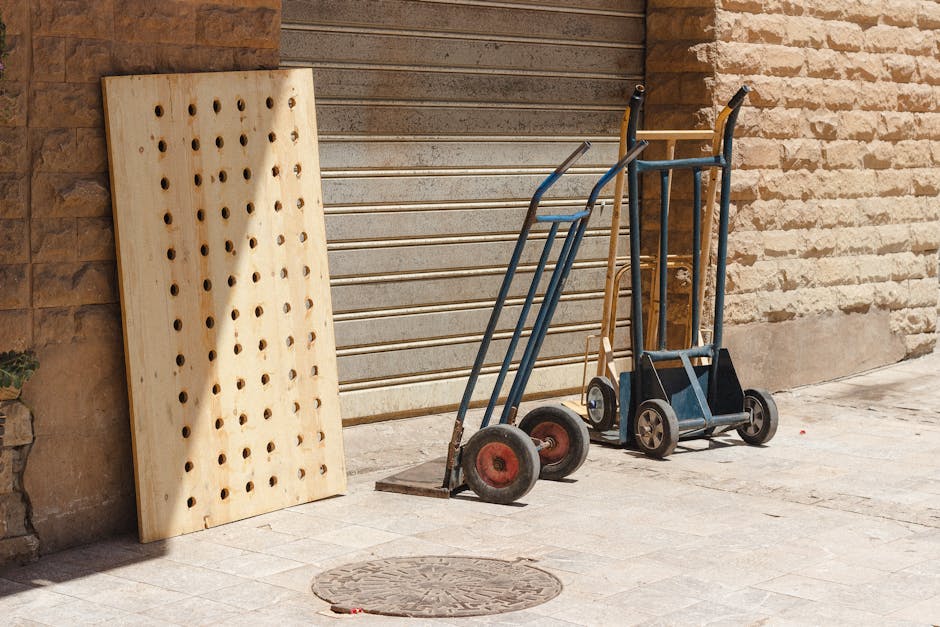
- Step trolleys or sack trucks: Helpful for certain heavy items, though not every item suits them.
- Labels and tape: Make disassembly and reassembly much easier later.
For many residents, the real resource is good local planning. If access around your building is tricky, the article on narrow-access home moves in Marks Gate offers useful context. Nearby route planning can matter too, especially where parking or timings are limited; see Longbridge Road access tips for moving day for a more local angle.
Where an item will not be needed immediately, short-term storage can reduce pressure. The storage in Marks Gate page is a sensible option to consider if timing, lift access, or decorating work makes direct delivery awkward.
Law, Compliance, Standards, or Best Practice
For a domestic move, the main compliance issue is not bureaucracy for its own sake; it is safe, sensible handling. UK moving practice generally expects care with loading, lifting, and the protection of property. In practical terms, that means avoiding unsafe lifting, keeping communal areas clear, and respecting any building access rules that apply to flats or managed developments.
Where professional movers are involved, it is normal to expect proper insurance cover, risk awareness, and clear communication about what can and cannot be moved safely. A reputable mover should be upfront if an item is too large for a lift and suggest an alternative route or partial dismantling rather than pretending it will be fine and hoping for the best. That kind of honesty matters.
Health and safety best practice is straightforward: use enough people, use proper manual handling technique, and do not attempt a lift that could injure someone or damage the building. If you want to understand the company's approach to safe working and what standards they aim to follow, pages like health and safety policy and insurance and safety provide useful reassurance.
There is also a customer-side best practice angle. Read the terms, check what is included, and ask in advance about access limitations, waiting time, and item protection. It saves awkward conversations later, which is always a good thing.
Options, Methods, or Comparison Table
Different bulky-item moves call for different methods. Here is a simple comparison to help you think it through.
| Method | Best for | Strengths | Limitations |
|---|---|---|---|
| Lift-only approach | Smaller bulky items that fit comfortably | Quick, tidy, minimal disruption | Not suitable for very wide or awkward items |
| Partial dismantling | Beds, wardrobes, desks, modular furniture | Often the best balance of safety and speed | Needs tools and reassembly time |
| Stair carry | Items that do not fit the lift but are still manageable | Bypasses lift limitations | More physical effort and more chance of contact with walls |
| Storage first, move later | Moves with timing gaps or access restrictions | Reduces day-of pressure | Requires extra handling and possibly additional cost |
| Professional flat removal support | Heavy, valuable, or awkward furniture | Best for complex access and insurance-backed handling | Costs more than a basic DIY attempt |
If you are comparing service styles, the pages for flat removals in Marks Gate, man and van in Marks Gate, and removal companies in Marks Gate are useful for understanding the differences. Not every move needs the same level of support, and that is fine.
Case Study or Real-World Example
Imagine a second-floor flat in Marks Gate with a narrow lift, a long corridor, and a heavy three-seater sofa that has to go out before midday. The sofa looks simple enough in the lounge. Once measured, though, it is clear the width is the problem, not the weight.
The sensible approach would be to remove the feet, wrap the corners, and test whether the sofa can travel end-on through the lift. If that still leaves too little room, the team would switch plans: perhaps carry it by stairs if safe, or move it with a more controlled angle and an extra pair of hands. The point is not to force the original plan. The point is to finish safely and without damaging the walls.
Now add a mattress and bed frame to that same move. You would probably strip the bed completely, label fixings, and keep the screws in one bag rather than hoping memory will save the day later. Small detail, huge relief. If the move also involves the rest of a furnished flat, combining the work with a broader removals service in Marks Gate can make the day much calmer.
What usually changes the outcome is not the item itself, but the attitude toward the access problem. Once the move becomes "How do we get this through safely?" rather than "How do we make it fit no matter what?", everything improves. Funny how that works.
Practical Checklist
Use this checklist before moving bulky items in a flat with a narrow lift:
- Measure the item and all access points
- Check lift dimensions and door clearance
- Clear hallways, stairs, and landings
- Remove feet, shelves, doors, or other detachable parts
- Pack fixings and labels together
- Wrap corners and fragile surfaces
- Confirm the lifting team size
- Decide the route before anything is moved
- Protect floors and communal areas where needed
- Keep children, pets, and bystanders away
- Have a backup plan if the lift is too tight
- Load the van securely
- Leave time for a final check of the flat
Expert summary: The safest way to handle bulky items in a narrow-lift flat is to measure early, dismantle where sensible, protect the route, and keep the plan flexible. That is the whole game, really.
If you are also comparing quotations, the pricing and quotes page is helpful for understanding what information you may need to provide. Clear access details usually lead to clearer prices, which everyone prefers.
Conclusion
Moving bulky items in Marks Gate flats with narrow lifts is rarely about strength alone. It is about care, planning, and knowing when to change tack. Measure properly, dismantle what you can, protect the route, and choose the right method for each item. That combination keeps damage down, reduces stress, and makes the day feel far less chaotic.
Whether you are moving a sofa, wardrobe, mattress, freezer, or something more awkward, the smartest moves are usually the calmest ones. If the access is tight, that is not a dead end. It just means you need a better plan than most people expect.
Get a free quote today and see how much you can save.
And if you are standing in the hallway wondering how on earth the wardrobe is going to make it through the lift, take a breath. With the right approach, it probably will - or at least you will know the safer alternative before anyone gets stuck halfway in. That bit matters more than people think.