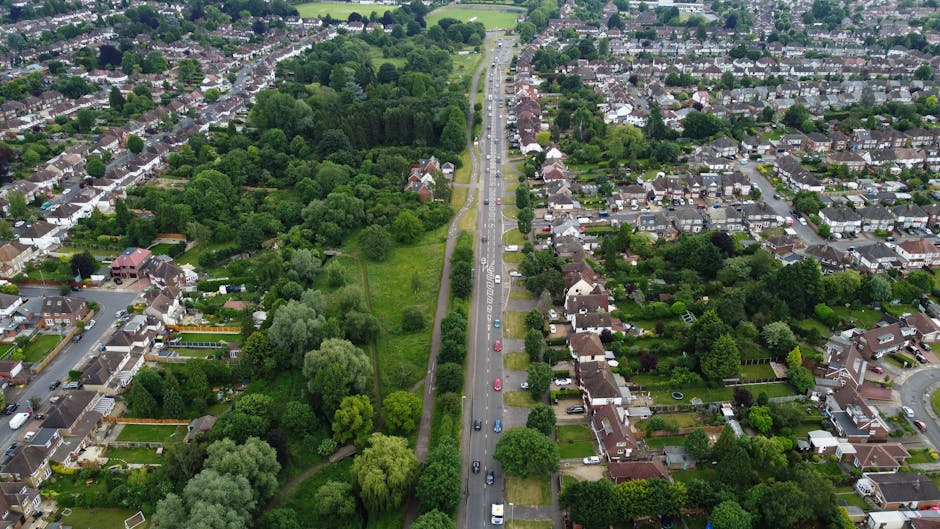
Chadwell Heath to Marks Gate moves: local route planner
Posted on 14/05/2026
Chadwell Heath to Marks Gate Moves: Local Route Planner
If you are planning a move between Chadwell Heath and Marks Gate, the big question is rarely just "how far is it?" More often it is: what is the cleanest route, how do you avoid awkward access issues, and how do you keep the day calm when boxes, furniture and parking all start competing for attention? A good Chadwell Heath to Marks Gate moves: local route planner helps you think through the journey properly, not just the mileage. That matters whether you are moving a studio flat, a family home, or a few bulky items across a very local stretch of east London.
This guide breaks the move into sensible pieces: route choice, timing, loading, access, safety, and the practical details people often forget until the van is already outside. It also points you towards useful resources on packing, lifting, storage and local removals so you can make better decisions without second-guessing every step. Truth be told, a short move can become a stressful one if the planning is flimsy.
Why Chadwell Heath to Marks Gate moves: local route planner Matters
A local route planner is more than a map with a blue line on it. For a move from Chadwell Heath to Marks Gate, it is the difference between a straightforward transfer and a day full of tiny delays that add up: waiting for traffic to clear, wrestling with parking, carrying items farther than expected, or realising the van cannot stop where you thought it could. Those little surprises are what tend to knock a moving schedule off balance.
The route itself may be short, but local moving is still full of variables. Junction flow, school-run traffic, roadworks, loading restrictions, shared access, stairwells, and narrow residential streets can all change the shape of the day. A route plan helps you look at the move like a sequence rather than a single drive. What leaves the old property first? Where does the van park? Which items need a second person? When should fragile pieces be loaded? These questions sound basic, but they save real time.
For many households and small businesses, the move is not just about getting from A to B. It is about making sure the process is safe, predictable and efficient. If you are relocating furniture, boxes or specialist items, the best outcome usually comes from good preparation, not rushed improvisation. If you need extra help with the physical side of the job, the guidance in solo lifting strategy for heavy items is a helpful companion read, especially when you are trying to decide what should be moved by hand and what should stay with the trolley or the van crew.
To be fair, people often underestimate local moves because they look simple. But a short drive can hide awkward access, and that is where a route planner earns its keep.
How Chadwell Heath to Marks Gate moves: local route planner Works
In practical terms, a local route planner pulls together the route, the timing and the loading plan. You are not only choosing the fastest road; you are choosing the most sensible moving sequence. For a move between Chadwell Heath and Marks Gate, that usually means checking the route between the origin and destination, then matching it against the property layouts, parking options and item volume.
A solid planner starts with a few simple checks:
- How many items are being moved, and what shape are they?
- Are there stairs, lifts, narrow hallways or basement access?
- Can the van stop close enough to avoid long carries?
- Is there any peak-time congestion to avoid?
- Do you need packing help, dismantling or specialist handling?
From there, the move can be broken into load order. The items needed last at the destination often go in first, while fragile or frequently used items stay accessible. That sounds obvious until you are standing in a room full of mixed boxes and no one can find the kettle. A good route planner helps prevent that kind of chaos. For packing rhythm and box organisation, see stress-free packing strategies and the dedicated packing and boxes service in Marks Gate.
Route planning also includes the human side. If one end of the move is a flat with tight stairs, you may need more time for each carry than the map would suggest. If you are moving a sofa, mattress or piano, the route on the road may be easy while the route inside the building is the real challenge. That is why practical planning beats guesswork every time.
Key Benefits and Practical Advantages
The strongest benefit is simple: fewer surprises. But there are a few more advantages worth spelling out.
| Benefit | Why it matters | What it looks like in practice |
|---|---|---|
| Better timing | Helps avoid delays and rushed loading | Leaving at the right time, with enough buffer for traffic and access |
| Safer handling | Reduces strain and item damage | Using proper lifting technique, dollies, blankets and team lifts where needed |
| Cleaner organisation | Makes unloading and unpacking smoother | Boxes labelled by room, essential items kept separate |
| Lower stress | Removes last-minute uncertainty | A clear plan for what moves first and who is doing what |
| Better value | Time saved often means cost saved | Less waiting, fewer extra trips, better use of the van |
There is also a quieter benefit that people only notice afterwards: energy. Moving is draining, even for a local hop across east London. When the route, access and packing are sorted in advance, you arrive with more mental bandwidth to deal with actual moving tasks instead of firefighting. That matters if you are also handing over keys, managing children, or juggling work the same day. Not glamorous, but very real.
If you are moving large furniture, the service pages for furniture removals in Marks Gate and house removals in Marks Gate are useful if you want the move handled in a more structured way.
Who This Is For and When It Makes Sense
This kind of local route planning is useful for more people than you might think. It is not just for full-house moves. In fact, smaller moves often benefit the most because there is less room for error and less spare time to absorb delays.
It makes sense if you are:
- moving from a flat or maisonette with limited access
- relocating furniture between Chadwell Heath and Marks Gate
- dealing with student move dates and tight deadlines
- moving offices or a small workspace locally
- needing a same-day or short-notice removal
- combining the move with storage, packing or cleaning work
Students often need a very different approach from families, especially when the load is light but the timing is tight. If that sounds familiar, the student removals Marks Gate page is worth a look. Likewise, if the move is more about a van and a few helpful hands than a full removals crew, the man and van service in Marks Gate may be the better fit.
A route planner is also sensible when one end of the job is not fully ready. Maybe the new place has a narrow hallway, or the old place still has a freezer that needs careful handling. In that case, planning around special items is just common sense. You do not want to discover, halfway through a Saturday, that the freezer has nowhere suitable to rest while the rest of the load is being dealt with. Been there, and nobody enjoys it.
Step-by-Step Guidance
If you want the move to feel manageable, follow the same order most experienced movers would use. You do not need to overcomplicate it. A clean sequence is enough.
- Map both addresses properly. Check the access at each end, not just the road name. Look at parking, entry points, stairs and any likely bottlenecks.
- Inventory what is being moved. Write down big items first: beds, wardrobes, sofas, appliances, desks, fragile boxes, and anything awkward to carry.
- Declutter before you pack. If you have not used it in a year, ask whether it needs to make the trip. The strategic decluttering guide is useful for making quick, practical decisions.
- Choose packing materials and box types. Use sturdy boxes, tape, wrapping and labels. Good materials save time at unpacking stage.
- Plan the load order. Put heavy stable items in first, fragile items protected and labelled, essentials kept apart.
- Set a route and a time window. Avoid obvious busy periods if you can, and leave a buffer for parking or access delays.
- Prepare the destination. Clear walkways, protect floors if needed, and make sure you know where key furniture is going before the van arrives.
- Do a final sweep before departure. Check cupboards, loft spaces, under beds, and chargers. This is the bit everyone forgets once. Usually twice.
For item-specific planning, the practical guides on moving beds and mattresses and relocating a piano safely are especially useful if your move includes anything bulky or delicate.
Expert Tips for Better Results
Small improvements make a big difference on moving day. These are the things that tend to separate a smooth move from a messy one.
1. Keep the essentials bag separate
Put keys, phone chargers, medication, snacks, important documents and a kettle-worth of tea supplies in one bag. You will thank yourself later, probably around the point the first box knife goes missing.
2. Protect the items that suffer most in transit
Soft furniture, appliances and electronics need particular care. If a sofa is going into storage after the move, take a look at these long-term sofa storage tips. If your freezer needs to be disconnected or stored carefully, freezer storage guidance is the safer route.
3. Use lifting technique, not bravado
Good moving is not about being heroic. It is about being steady. Bend at the knees, keep loads close, avoid twisting, and ask for help on items that are clearly awkward. If you want the mechanics explained in a plain-English way, read how kinetic lifting works. It sounds technical, but the point is very simple: move in a controlled way and respect your back.
4. Use the local route to your advantage
If you know a particular junction, bridge or access lane tends to snarl up, build that into the plan early. A route planner should not be a static document. If conditions change, shift the loading or departure time. Flexible beats stubborn, every time.
5. Leave cleaning until the right moment
Final cleaning is easier once most furniture is out, but it still needs to be timed carefully. If you want a practical approach, the guide on move-out cleaning made efficient is a solid reference. It can save you a scruffy end to an otherwise decent moving day.
One slightly old-school tip: keep a marker pen in your pocket, not in a box. It sounds silly. It is not. The number of times a label needs changing mid-load is more than you'd expect.
Common Mistakes to Avoid
Most moving problems are not dramatic failures. They are small planning misses that snowball. Here are the most common ones.
- Assuming the route is the whole job. The road journey may be short, but access at both ends can take longer than driving.
- Underestimating loading time. Boxes never move themselves faster just because the van is waiting.
- Ignoring parking reality. A great route is useless if the van cannot stop near the entrance.
- Packing fragile items without a room plan. When boxes are not grouped logically, unpacking becomes a treasure hunt.
- Leaving cleaning and disposal too late. Rubbish piles and final checks tend to slow everything down.
- Trying to lift everything alone. That is how things get dropped, scratched or strained.
A particularly common issue in local east London moves is assuming there will be space outside the property because "it's only a quick stop." That may be true at 10:30 on one street and completely false at 3:00 on another. Small area, big difference.
If you want to reduce avoidable mistakes, it helps to work with a service that understands local access and timing. The removal services in Marks Gate page gives a sense of the wider support available, while the services overview is a handy way to compare options.
Tools, Resources and Recommendations
You do not need a warehouse of equipment to plan a local move properly, but a few tools make everything easier.
- Route mapping app or sat-nav: use it to check live traffic and possible diversions.
- Box labels and a marker: keep room names and fragile notes visible.
- Furniture blankets and straps: protect finishes and keep items secure in transit.
- Trolley or sack truck: useful for appliances, boxed books and awkward loads.
- Basic toolkit: for beds, tables, shelves and other dismantled furniture.
- Clear bags or tubs: ideal for screws, cables and fixings, which otherwise vanish like socks in a dryer.
For additional help with choosing the right moving setup, the man with a van Marks Gate option is often a sensible middle ground for smaller or faster moves. If the job is bigger or more complex, local removal companies can provide a fuller service. And if you are comparing costs before committing, the pricing and quotes page is the right place to start.
One more practical recommendation: if the move involves a sofa, bed, fridge or other oversized item, measure doorways and stair corners before moving day. It sounds basic, but it saves proper headaches. The kind of headache where everybody goes quiet and starts staring at the frame.
Law, Compliance, Standards, or Best Practice
For a local move, the main compliance concerns are usually practical rather than formal, but they still matter. Safe lifting, proper vehicle loading, responsible parking, and protecting belongings all sit under everyday best practice. If you are using a professional mover, it is sensible to check how they handle insurance, safety and liability before the job starts.
At a minimum, look for clear communication about:
- insurance and item protection
- payment terms and booking conditions
- what happens if access is more difficult than expected
- how fragile or high-value items are handled
- what is included in the quoted price
For that reason, it is worth reading the company's insurance and safety information, as well as the health and safety policy and terms and conditions. If you are concerned about how your details or site browsing data are handled, there is also a privacy policy and cookie policy available.
Best practice also includes being honest about limitations. If an item is too heavy, too awkward or too valuable to risk, say so early. There is no prize for pretending otherwise.
Options, Methods, or Comparison Table
Different move types need different levels of support. Here is a simple comparison to help you decide which approach fits your Chadwell Heath to Marks Gate move best.
| Option | Best for | Strengths | Watch-outs |
|---|---|---|---|
| DIY van hire | Very small, flexible moves | Can be cheaper if you already have help | Higher physical effort, more risk, no specialist support |
| Man and van | Flat moves, student moves, partial loads | Simple, quick, practical for local journeys | May need you to do more packing or prep |
| Full removals service | House moves, bulky items, complex access | More hands, more structure, less stress | Usually higher cost than basic options |
| Hybrid approach | Moves with storage, special items or mixed loads | Flexible, tailored to the actual job | Needs clearer planning so nothing gets missed |
If your move includes a piano, specialist handling is usually the safer choice. If you are rearranging office items, the office removals service may be a better fit than a basic van booking. And if timing is the biggest issue, same-day removals in Marks Gate can help when the calendar has gone a bit sideways.
Case Study or Real-World Example
Here is a realistic local scenario. A couple moving from Chadwell Heath to a two-bedroom flat near Marks Gate had a short road distance, but the access on both ends was not equal. The old property had a narrow hallway and a small parking gap outside. The new flat had stairs, no lift, and a tighter arrival window because of building access rules.
Instead of loading everything at random, they split the day into clear phases. First came the furniture that needed dismantling. Then boxes were grouped by room. Fragile kitchen items were kept separate and marked plainly. The van was parked where unloading would be quickest, not where it looked easiest in theory. Small change, big payoff.
They also used a simple checklist the night before. Keys, meter readings, chargers, tea stuff, bedding and cleaning supplies all went into a single "first night" box. That box was opened within minutes of arriving. No hunting, no stress, no awkward rummaging through twelve identical cartons while standing in the hall.
What made the difference was not speed. It was order. They had planned the route, but more importantly they had planned the move around the route. That is the part many people skip. A local move feels easy until the handoff points start multiplying.
If you are in a similar position and want the move to feel less chaotic, the advice in moving house calmly is worth reading alongside this route planning guide.
Practical Checklist
Use this checklist as a quick pre-move sanity check.
- Confirm the moving date and arrival window.
- Check parking and access at both addresses.
- Measure large items and doorways if needed.
- Separate fragile, valuable and essential items.
- Label boxes by room and priority.
- Book help for heavy or awkward items.
- Decide what is going into storage, if anything.
- Prepare an essentials bag for the first 24 hours.
- Keep cleaning materials ready for the final sweep.
- Review insurance, payment and booking terms before moving day.
Expert summary: A good local route plan does three things at once: it reduces wasted time, lowers handling risk, and makes the destination easier to settle into. For short moves, that combination is often worth more than a slightly cheaper but less organised option.
If you need a place to keep items between addresses, the storage options in Marks Gate can help bridge the gap. That is especially handy if completion dates do not line up neatly. They often don't, of course.
Conclusion
Chadwell Heath to Marks Gate moves may be local, but local does not mean simple. A proper route planner helps you think beyond the road itself and pay attention to the things that really shape a smooth move: access, timing, load order, packing, safety and the final handover at the door. Once those pieces are in place, the whole day feels less like a scramble and more like a process you can actually control.
Whether you are moving a flat, a family house, a few bulky items, or something more delicate, the smartest approach is usually the calmest one. Keep the plan practical, keep the boxes labelled, and do not leave the awkward item for "later" unless later is definitely part of the plan.
Get a free quote today and see how much you can save.
And if you are still refining the details, take one last breath, check the route, and trust the prep. A well-planned move has a quiet kind of relief to it, and that feeling is worth aiming for.