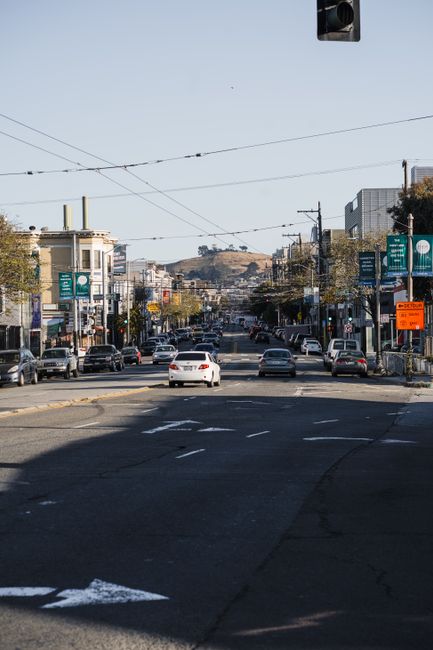
Best parking spots for removals around Marks Gate parade
If you are planning a house move, flat move, or office relocation near Marks Gate Parade, parking is not a small detail. It is the difference between a calm loading day and a stressful shuffle of furniture, trolleys, and van doors on a narrow roadside. The best parking spots for removals around Marks Gate parade are the ones that give you safe loading access, enough space for doors and ramps, and the least disruption to neighbours, traffic, and pedestrians.
This guide walks through the practical side of parking for removals in the area: where to aim for, how to think about access, what can go wrong, and how to plan a smoother move without the last-minute panic. Truth be told, a well-chosen parking spot can save you more time than an extra pair of hands. Sometimes it is the boring bit that saves the day.
Why Best parking spots for removals around Marks Gate parade Matters
Removal parking is not just about convenience. Around busy local parades and high-footfall shopping strips, space can be tight, visibility can be poor, and short-stay bays may fill up quickly. If you park too far away, every box becomes a longer walk. If you park badly, you risk blocking access, annoying local drivers, or forcing the team to carry heavy items too far. None of that helps on moving day.
Marks Gate Parade is the kind of place where the surrounding streets, side roads, and curbside layout matter as much as the destination itself. A good parking plan reduces carrying distance, protects furniture, keeps the van close to the entrance, and helps the team work in a steady rhythm. That rhythm matters. You can hear the difference, honestly: less back-and-forth, fewer interruptions, fewer muttered "just one more trip".
For home moves, that might mean fewer risks to wardrobes, sofas, and white goods. For business moves, it can mean a cleaner handover and less downtime. If you are using a man and van or arranging a larger moving van, parking becomes part of the job plan, not an afterthought.
How Best parking spots for removals around Marks Gate parade Works
The basic idea is simple: you want the van as close as safely possible to the property, while staying within practical and legal parking limits. But the real-world version has a few moving parts. You are balancing access, road width, kerb height, traffic flow, restrictions, and the time needed to load or unload.
In practice, removals teams usually look for one of a few types of parking:
- Direct frontage parking where the van can stop outside or very near the property entrance.
- Short-stay bays that are close enough for quick loading if you are working efficiently.
- Side-road parking where a quieter nearby street gives more space and less traffic pressure.
- Pre-arranged access points for flats, offices, or shared buildings where the building layout matters more than the road itself.
The best spot is not always the most obvious one. A bay right in front of the parade may look ideal, but if it is too narrow for the van doors to open properly, it is a headache. A side street 20 seconds away can sometimes be the better choice because it lets the crew load safely and avoid awkward manoeuvring.
When planning your move, think about the size of the vehicle too. A smaller vehicle from a man with a van service may fit into spaces that would be awkward for a larger removal van or removal truck hire setup. That does not mean "bigger is bad"; it just means the parking strategy should match the vehicle.
Key Benefits and Practical Advantages
Good parking planning around Marks Gate Parade gives you more than convenience. It improves the whole move from start to finish.
- Shorter carrying distances for heavier items like mattresses, wardrobes, boxes of books, and appliances.
- Less risk of damage because fewer corners, kerbs, and doorways get crossed.
- Better time control since the team spends less time walking and more time loading.
- Safer handling for removals workers and for you, especially when items are bulky.
- Less disruption to neighbours, pedestrians, and local traffic.
- More flexibility if access changes on the day, which does happen.
There is also a psychological benefit. If the van is parked well and the first few items go in smoothly, the move feels manageable. That sounds small, but it really does change the tone of the day. You stop bracing for problems and start getting on with it.
For people booking a full home move, this can sit alongside packing support such as packing and unpacking services or a wider home moves package. Parking is one part of the chain, but it is a very visible one.
Who This Is For and When It Makes Sense
This topic matters to anyone moving in or around Marks Gate Parade, but a few groups benefit the most.
- Tenants moving from flats with limited lift access or stair-only buildings.
- Homeowners who need the van close to the front door for heavier furniture.
- Small businesses relocating stock, desks, or equipment from parade-front premises.
- Older residents who want fewer trips and a less physically demanding move.
- Landlords and managing agents arranging tenant handovers where timing is tight.
- Anyone booking a same-day move where efficiency really matters.
It makes the most sense when parking is likely to be contested, when the property sits on a busier road, or when the item load includes large furniture. If you are moving a single suitcase and a lamp, fair enough, it is less of a drama. But once you have a sofa, a bed base, and two crates of kitchen things, parking suddenly becomes a strategic decision.
If you are comparing providers, it can help to look at the overall service rather than only the vehicle. A good removal company or removal services provider should be thinking about access, not just transport.
Step-by-Step Guidance
Here is a practical way to plan the best parking spot for a removal around Marks Gate Parade.
- Assess the property frontage. Look at whether the van can stop close enough for loading without blocking a junction, crossing, or entrance.
- Check for restrictions. Pay attention to loading-only areas, short-stay bays, permit signs, double yellow lines, and time limits. Do not assume a space is okay just because it looks empty.
- Measure the carrying route. Walk from the likely parking spot to the front door. Is there a kerb, steps, a gate, or a narrow hallway? That route is what the team will use repeatedly.
- Pick a fallback option. If the main spot is taken, identify a nearby side street or alternate bay before moving day starts.
- Match the vehicle to the space. Smaller vehicles from a man with van arrangement are easier to place than larger trucks. If the load is large, allow extra room for doors and lifting equipment.
- Time the arrival carefully. Early mornings may be quieter, but school runs, deliveries, and shop openings can change the picture fast.
- Keep a contact ready. If the van needs to be moved or a space suddenly disappears, decide in advance who will guide the driver.
A tiny note here: many moving problems happen because everyone assumes someone else is keeping an eye on parking. Better to name one person. Simple. Unglamorous. Useful.
Expert Tips for Better Results
After enough moves, a pattern becomes obvious: the best outcomes usually come from the most ordinary habits done well.
- Do a dry run the day before. Walk the route from the property to the nearest practical parking point. It takes five minutes and often reveals awkward details you would otherwise miss.
- Leave room for loading doors. Even if the van fits, opening rear doors or side doors can be another matter.
- Think about visibility. Park where the vehicle is clearly seen by other road users. It helps reduce close passes and impatient manoeuvres.
- Avoid overloading one side of the vehicle. If the van is parked on a slope or uneven surface, balance matters more than people expect.
- Protect the building entrance. Use mats or corner protection if the property layout is tight and you are carrying furniture past painted walls or glass doors.
- Communicate with neighbours if needed. A polite word can go a long way when a move affects shared access. It does not have to be a big production.
If your move involves fragile items, it is also worth thinking about packaging and sequence. With the right house removals setup, the team should load the heaviest pieces first and leave easy-to-carry items for the top-up run. Parking that is close and consistent makes that flow much easier.
Common Mistakes to Avoid
Most removal day parking mistakes are surprisingly predictable. The good news is they are avoidable.
- Choosing the nearest space without checking signs. Empty does not always mean usable.
- Ignoring unloading distance. A 30-metre carry can feel like 100 metres when you are on your fourth trip with a heavy box.
- Assuming the van can reverse safely into every gap. Tight reverses near a parade are often more trouble than they are worth.
- Not planning for pedestrians. Busy local walkways can make loading awkward and unsafe.
- Forgetting the weather. Rain makes cardboard slippery and carry routes more hazardous. Very British, that.
- Leaving the parking decision until the van arrives. By then you are already on the clock.
One more thing: people sometimes focus so much on the cheapest quote that they forget to ask how the vehicle will be positioned. A solid quote is useful, of course, but access planning often matters just as much. You can compare prices through pricing and quotes before you book, then check that the parking plan is sensible.
Tools, Resources and Recommendations
You do not need a complicated toolkit to manage parking well. In most cases, a few practical habits are enough.
- Printed or saved notes with the property address, move time, and any access instructions.
- A phone call plan for the driver or moving team if the parking spot changes at the last moment.
- Basic protection items such as furniture blankets, straps, and floor coverings.
- Box labels so the team can prioritise loading and unloading without fuss.
- Building access details for flats, gated entries, or shared entrances.
For larger or business relocations, a more structured approach may help. Services like office removals or commercial moves usually need a bit more coordination because parking, foot traffic, and working hours all intersect. And if the move is part of a wider clear-out, you may also want furniture pick up for items that are being removed rather than relocated.
For readers who want a simpler all-in-one option, browsing removals near me can be a sensible starting point. Just make sure the chosen provider asks the right questions about access. If they do not ask about parking, that is a small warning sign, to be fair.
Law, Compliance, Standards, or Best Practice
Parking during removals is not just a logistics issue; it also sits inside broader road safety and property access expectations. You should always follow the signs and restrictions in place at the location, keep access clear for emergency vehicles and pedestrians, and avoid blocking dropped kerbs, crossings, or driveways. Where a permit or loading rule applies, it should be followed exactly as displayed.
In practical terms, the safest approach is to treat parking as part of the moving plan, not something to improvise. A professional team will usually aim to reduce obstruction, minimise risk, and work within the limits of the street. That is especially important around a parade area where shop entrances, deliveries, and foot traffic can all overlap.
If safety and insurance are important to you - and they should be - it helps to review a provider's approach to insurance and safety and their health and safety policy. Those pages do not replace common sense, obviously, but they do show whether a company takes the practical side seriously. Good removals work is usually unflashy work done properly.
One reasonable best practice is to keep the walkways clear, protect the property, and avoid squeezing a vehicle into a space that forces unsafe lifting. If a space looks too tight, it probably is. Your back will not thank you for pretending otherwise.
Options, Methods, or Comparison Table
Not every move needs the same parking strategy. Here is a simple comparison that helps match the option to the situation.
| Parking option | Best for | Advantages | Watch-outs |
|---|---|---|---|
| Direct frontage stop | Quick house moves, small flats, minimal carry distance | Fast loading, less walking, simple coordination | Can be restricted, narrow, or too busy for larger vehicles |
| Nearby side street | Busier parades, larger loads, longer loading windows | Often easier to park, calmer for loading | Slightly longer carry route |
| Short-stay bay | Small or medium-sized removals with tight timing | Convenient if legal and well-timed | Time limits can be unforgiving |
| Pre-arranged access point | Flats, managed buildings, offices, shared premises | Predictability, less last-minute stress | May need advance coordination |
For the biggest or most complex moves, it can be worth choosing a provider that offers a full removal services package rather than a basic one-off lift. If your load is heavy or the access is awkward, the right vehicle and a sensible parking plan make a noticeable difference.
Case Study or Real-World Example
Here is a realistic example. A family is moving out of a first-floor flat close to Marks Gate Parade on a Saturday morning. The street outside looks busy, and the closest space by the kerb is already taken by a shopper who has popped in for ten minutes and somehow managed to make it feel like an hour.
Instead of waiting and hoping, the moving team identifies a nearby side street with better space for the van doors and a cleaner loading route to the building entrance. It is not the nearest option, but it is the smarter one. The crew keeps the van positioned for the whole load, the family avoids repeated long carries, and the move finishes more calmly than expected. No drama, no frantic reshuffling, no sofa wedged half-way down a stairwell. Lovely.
The same logic works for business moves too. If an office near the parade is relocating desks or filing units, the parking spot should support fast turnover and safe handling, not simply park the van where it looks tidy. A stable loading position matters more than a perfect-looking curbside picture.
Practical Checklist
Use this checklist before moving day. It is simple, but it helps.
- Confirm the property address and access point.
- Check nearby parking restrictions and time limits.
- Identify the closest legal loading option.
- Choose a backup parking spot in case the first one is taken.
- Measure or walk the carry route from van to door.
- Make sure the vehicle size matches the available space.
- Keep the entrance and pavement as clear as possible.
- Share instructions with the driver or moving team in advance.
- Protect the property, flooring, and furniture during loading.
- Have a contact number ready for any last-minute change.
If you are moving larger furniture or bulky household items, a more structured service such as man with van removal or man and van removals may be a better fit than trying to improvise with a generic vehicle plan.
Get a free quote today and see how much you can save.
Conclusion
The best parking spots for removals around Marks Gate Parade are the ones that make loading safer, faster, and less stressful. That usually means choosing the nearest sensible legal space, keeping a backup option in mind, and matching the vehicle to the reality of the street rather than the wishful version in your head.
If you plan the parking properly, the rest of the move tends to follow more smoothly. Boxes travel better, furniture is easier to handle, and the day feels much more manageable. A little preparation here saves a lot of sighing later. And let's be honest, nobody wants moving day to become a parking argument with a van full of bedsheets.
For a straightforward, grounded move around Marks Gate Parade, the winning formula is simple: clear access, sensible timing, and a team that thinks ahead. That is usually enough to turn a chaotic day into a decent one.
Frequently Asked Questions
Where is the best place to park for removals near Marks Gate Parade?
The best place is usually the nearest legal spot that gives you enough room to open the van and load safely. A side street can often work better than the busy frontage if it allows steadier access and less obstruction.
Can a removals van stop directly outside a shop or flat?
Sometimes yes, but only if the space is legal and safe to use. Always check the signs, the road layout, and whether the van can remain there long enough to load without causing problems.
What if the closest parking space is taken on the day?
That is exactly why a backup option matters. Identify a nearby side road or alternate bay before moving day so the driver is not left circling while heavy items wait by the door.
Is it better to use a smaller van for parking in busy areas?
Often, yes. A smaller van can be easier to position near tighter streets or short-stay spaces. That said, the right choice still depends on the size of the load and how many trips you want to avoid.
Do I need to think about parking if I am only moving a few items?
Yes, though the pressure is lower. Even a small move can become awkward if the van cannot stop nearby or if the access route is blocked by traffic or parked cars.
How early should I plan parking for a removal around Marks Gate Parade?
Ideally, plan it before moving day, not during the move itself. A quick walk-through the day before can reveal where the van can realistically stop and what the fallback should be.
What are the biggest parking mistakes people make on removals day?
The biggest ones are assuming an empty space is allowed, underestimating carrying distance, and leaving the parking decision until the van has already arrived. Those three create a lot of avoidable stress.
Are office removals around Marks Gate Parade different from home moves?
Yes, usually. Office moves often involve more coordination, tighter timing, and more concern about keeping entrances clear. Parking still matters, but the planning tends to be a bit more structured.
Should I choose a removal company that helps with access planning?
Absolutely. A team that thinks about access, parking, and loading order is usually easier to work with. It shows they understand the real-world side of removals, not just the driving.
What if I have large furniture and a narrow entrance?
Then parking and loading order become even more important. You may need a closer stopping point, more careful handling, and a team that can move large items safely without forcing awkward lifts.
Can parking planning help reduce damage during a move?
Yes. When the van is parked well, items travel a shorter distance, there are fewer turns and obstacles, and the chance of bumps or scrapes goes down. It is one of those small details that protects the whole move.
What should I ask a removals provider about parking?
Ask where they expect to park, whether they will need loading access, what they do if the first spot is unavailable, and how they plan to handle narrow or busy streets. The answers tell you a lot.